
Engineering the Impossible: Kelly Johnson’s Skunk Works


History shapers often complete their work long before they are acknowledged. Few figures embody this truth more completely than Clarence “Kelly” Johnson and the extraordinary culture he created inside Lockheed’s Skunk Works. Under his leadership, Johnson shaped the Skunk Works program into a small, secretive operation that repeatedly altered the course of modern history years, sometimes decades, before the world understood what had happened.
On paper, the demands placed before Johnson bordered on fantasy. Please deliver an aircraft that could photograph enemy installations from 70,000 feet. Build a plane fast enough to outrun missiles. Design and field bomber that could pass unseen through the most sophisticated radar systems on earth. Johnson’s response was simple: he listened, he assembled a small team of people he trusted, and he did it.
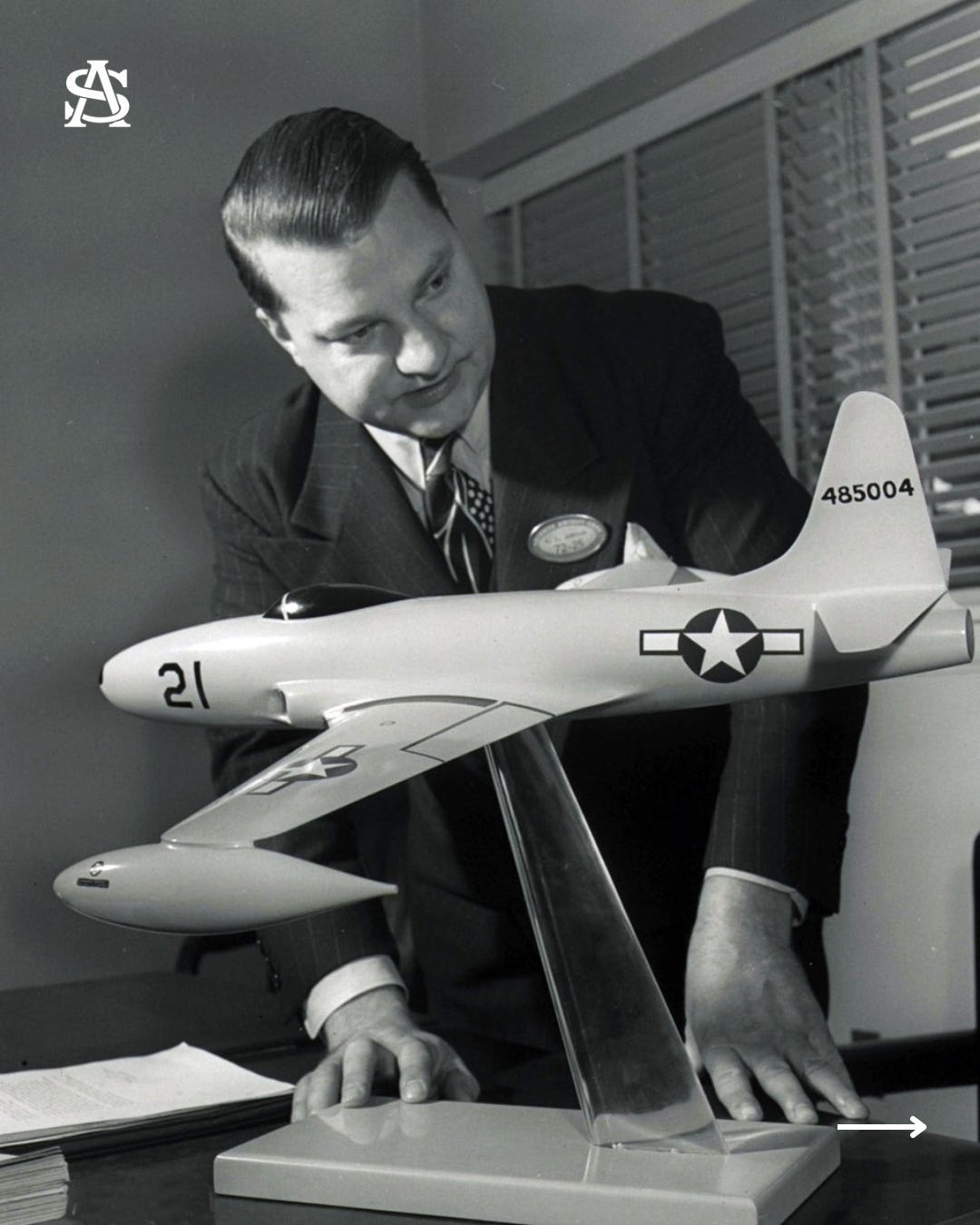
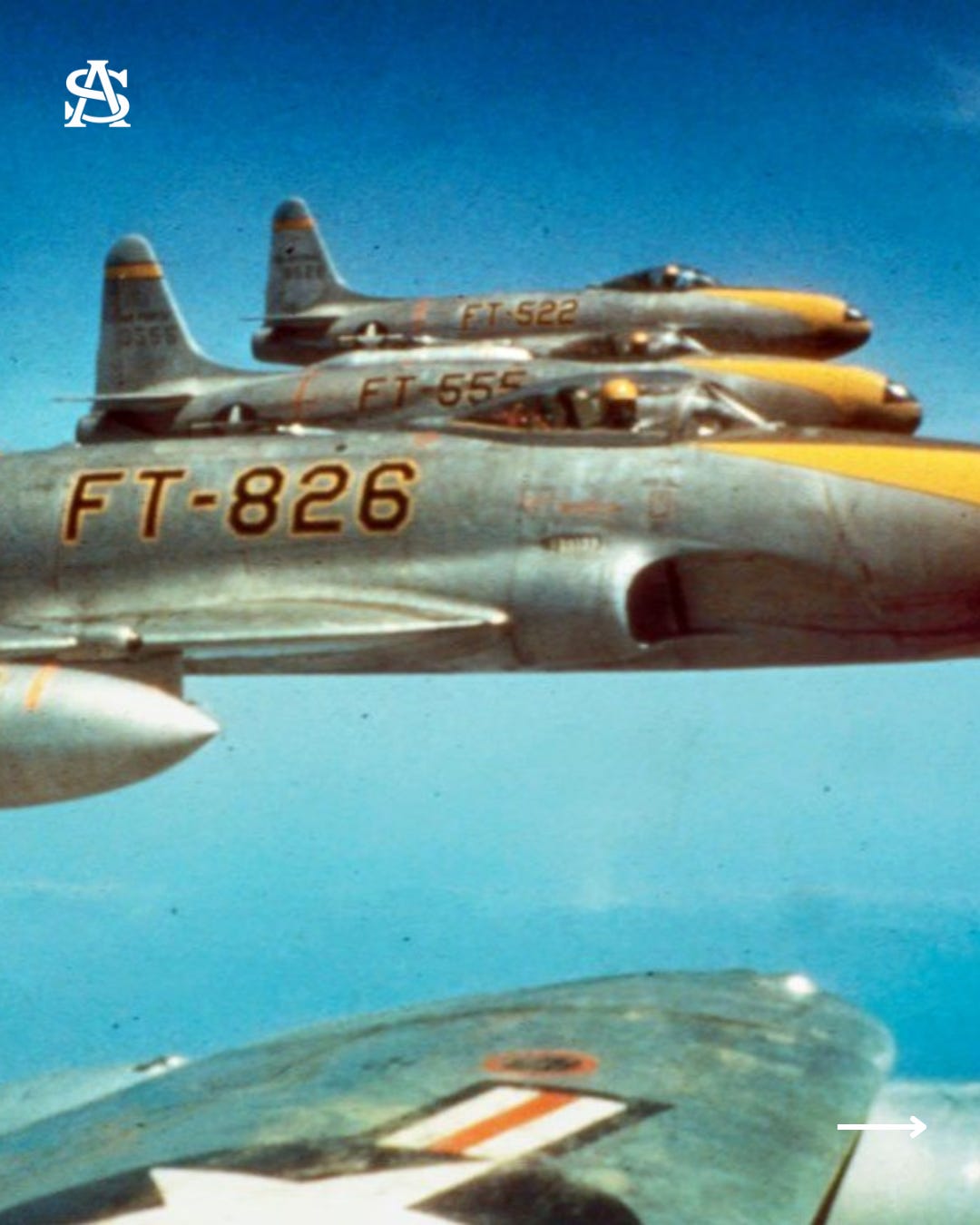
The Skunk Works program was formally conceived in 1943, born of wartime urgency and Johnson’s deep frustration with bureaucracy. German jet aircraft had appeared over Europe and the United States needed a counterpunch, quickly. Johnson promised a prototype in 150 days and delivered the P-80 Shooting Star in just 143 days. The P-80 would later score history’s first jet-versus-jet kill over Korea. This pattern was set early: radical ambition, minimal oversight, and absolute accountability.
Johnson’s genius, however, was not merely technical. It was organizational. He believed that bureaucracy smothered originality, that committees produced safety rather than brilliance, and that truly new ideas required autonomy bordering on recklessness. His now-famous “rules” for running Skunk Works distilled this philosophy into practice: ruthlessly small teams, near-total authority vested in a single leader, direct communication between engineers and machinists, and an intolerance for all paperwork that did not actively advance the effort.
Johnson’s Skunk Works approach proved decisive as the Cold War escalated. When the United States needed intelligence on Soviet missile capabilities, Johnson’s team produced the U-2, an aircraft so light and fragile-looking it frightened its own pilots but could skim atop of the atmosphere, cruising above 70,000 feet. The U-2’s photographs averted war in Europe and clarified the truth during the Cuban Missile Crisis.

When that altitude was no longer enough, Johnson delivered the SR-71 Blackbird: a titanium aircraft capable of sustained Mach 3 flight at the edge of the atmosphere, so fast that no enemy missile ever successfully intercepted it.


Later still, Johnson’s Skunk Works quietly ushered in the age of stealth. The angular, unsettling F-117 Nighthawk, designed to confuse radar rather than outrun it, looked like an insult to conventional aerodynamics.
On the opening night of Operation Desert Storm, it slipped undetected into Baghdad and dismantled the nerve centers of an enemy regime with surgical precision. The war’s swift conclusion followed soon after.


What makes these achievements extraordinary is not merely their technical audacity, but their consistency. Again and again, Johnson’s model worked. Skunk Works projects were delivered early. Budgets were respected. Failures were addressed quickly, not buried beneath process. Skunk Works often changed history long before any of it’s platforms received credit for doing so.
Johnson understood something that many modern organizations have forgotten: innovation is fragile and not inherently scalable. It thrives in environments of trust, clarity, and responsibility. He did not believe in design by committee, nor in management by consensus. He believed in capable individuals, given real authority, working shoulder to shoulder with others who understood the whole of the problem.
When Johnson retired in 1975, the culture he built endured. It stood as proof that his true legacy was not any single aircraft, but a philosophy and a way of working. Today, “Skunk Works” has become a generic term for autonomous innovation, often invoked but rarely replicated. Most organizations desire its results without paying its price. Kelly Johnson paid it willingly. And in doing so, he helped shape a world that only later realized how profoundly it had been changed.


Really amazing writing, thank you for sharing this, so interesting.
Attach a “further reading” section. These figures are very fascinating.